
Seasonal travel guide
The Best Time to Visit China
Ask ten people and you'll get ten confident answers — because there isn't one. China spans tropical rainforest and snow-bound palaces, and every season is the right season somewhere. As a rule of thumb, April–May and September–October are the sweet spots: mild almost everywhere, with the clearest light of the year.
Two dates to plan around: the National Day surge in the first week of October, and Chinese New Year in late January or February. Beyond that, the season should shape the route — pick yours below, or tell us your dates and we'll tell you honestly where they'll shine.
A month at a glance
- Spring March — May March Early spring; Jiangnan's gardens begin to wake
- April Prime spring: mild, green, ahead of the crowds
- May Warm and lively; excellent almost everywhere
- Summer June — August June Early summer: deep green landscapes, rising heat, some rain
- July Hot, dramatic skies; school-holiday crowds at big sights
- August Peak heat; the highlands of Yunnan come into their own
- Autumn September — November September The turn: clearer air, thinning crowds
- October Golden autumn; sidestep the national holiday in week one
- November Late autumn: crisp, quiet, superb light
- Winter December — February December Winter begins: palaces in snow, the tropics stay warm
- January Cold, crisp north; genuine tropical warmth in Xishuangbanna
- February Chinese New Year season: festive, and busy around the holiday itself
MARCH TO MAY
Spring in China
Spring (March to May) is China exhaling after winter. Jiangnan is the season's heartland — classical gardens coming back to life, willow-green canals, tea terraces at first pick — and the Li River begins its long green season in the south. Temperatures are kind almost everywhere, and the big sights are noticeably quieter than in summer. If your picture of China is gardens, water towns and unhurried beauty, this is your window: it's the season our Jiangnan Gardens & Canals journey was made for.
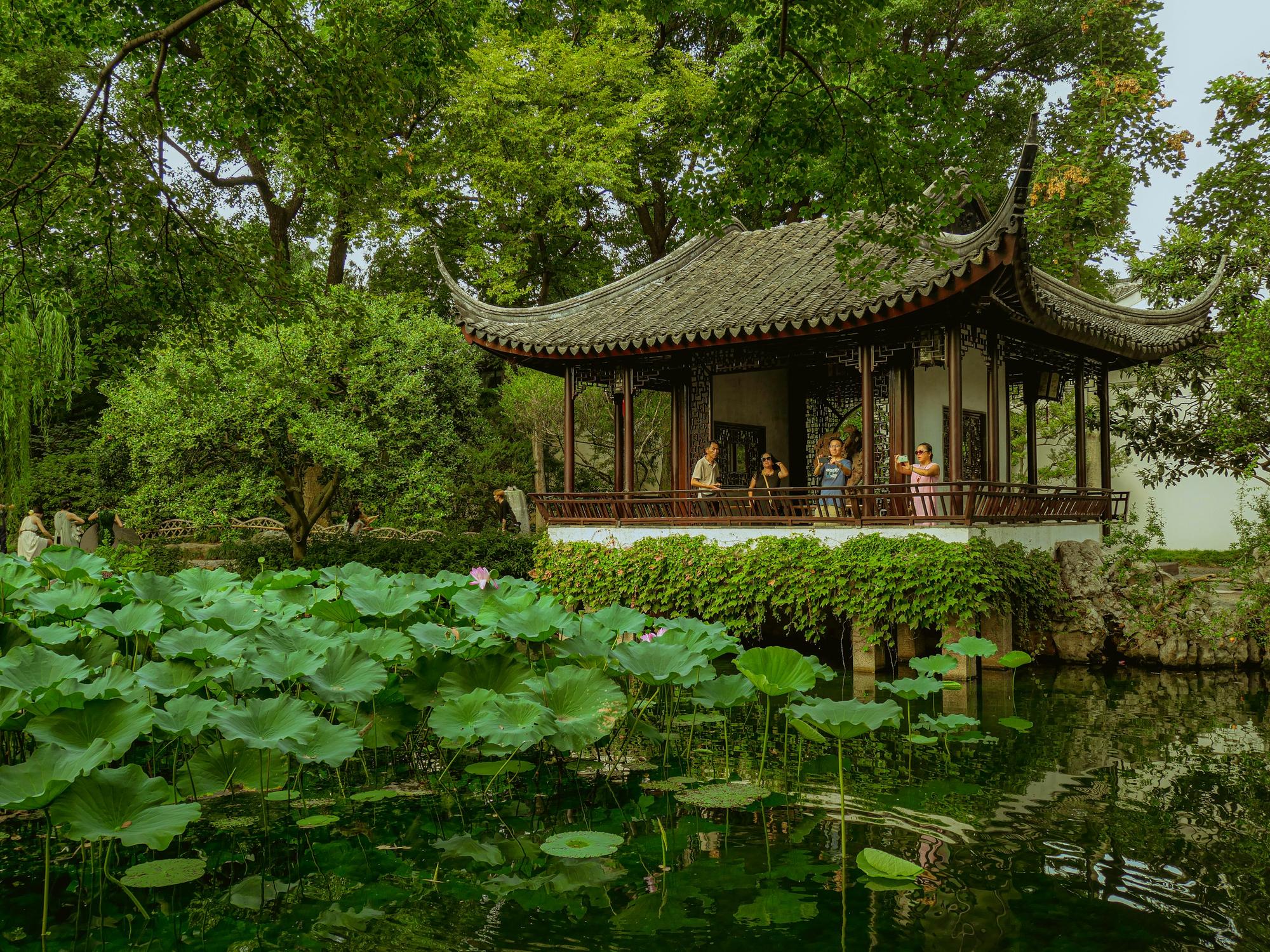
Jiangnan in Bloom: Gardens, First Tea & Water-Town Light
Spring is Jiangnan at its most tender — classical gardens waking, willow-green canals and the first Longjing tea before summer humidity arrives.
Read the guide →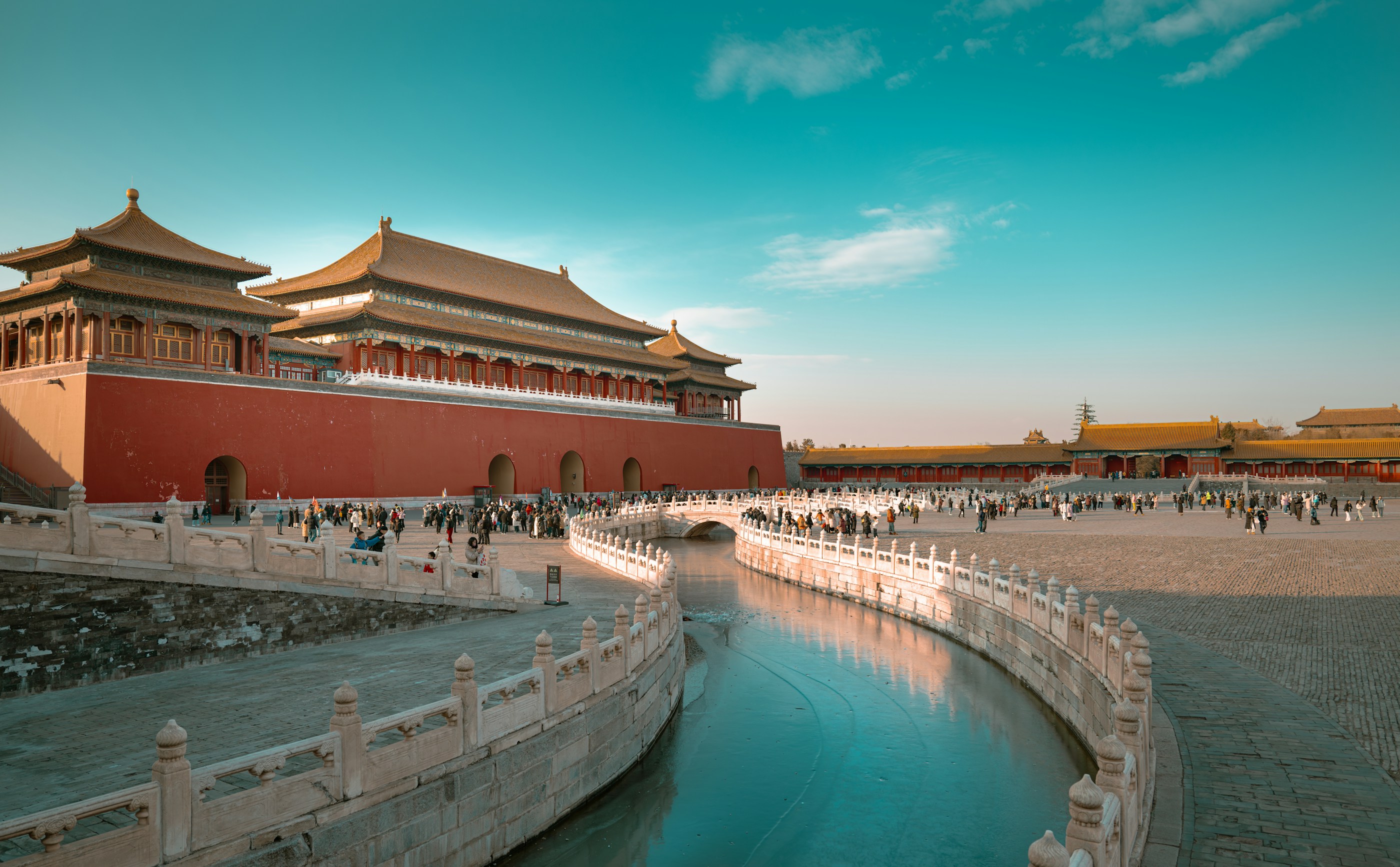
Beijing in Bloom: Palace Courtyards, Park Life & Clear Spring Days
A short, sweet window of blossom, park life and clear imperial light before Beijing's summer heat and crowds take over.
Read the guide →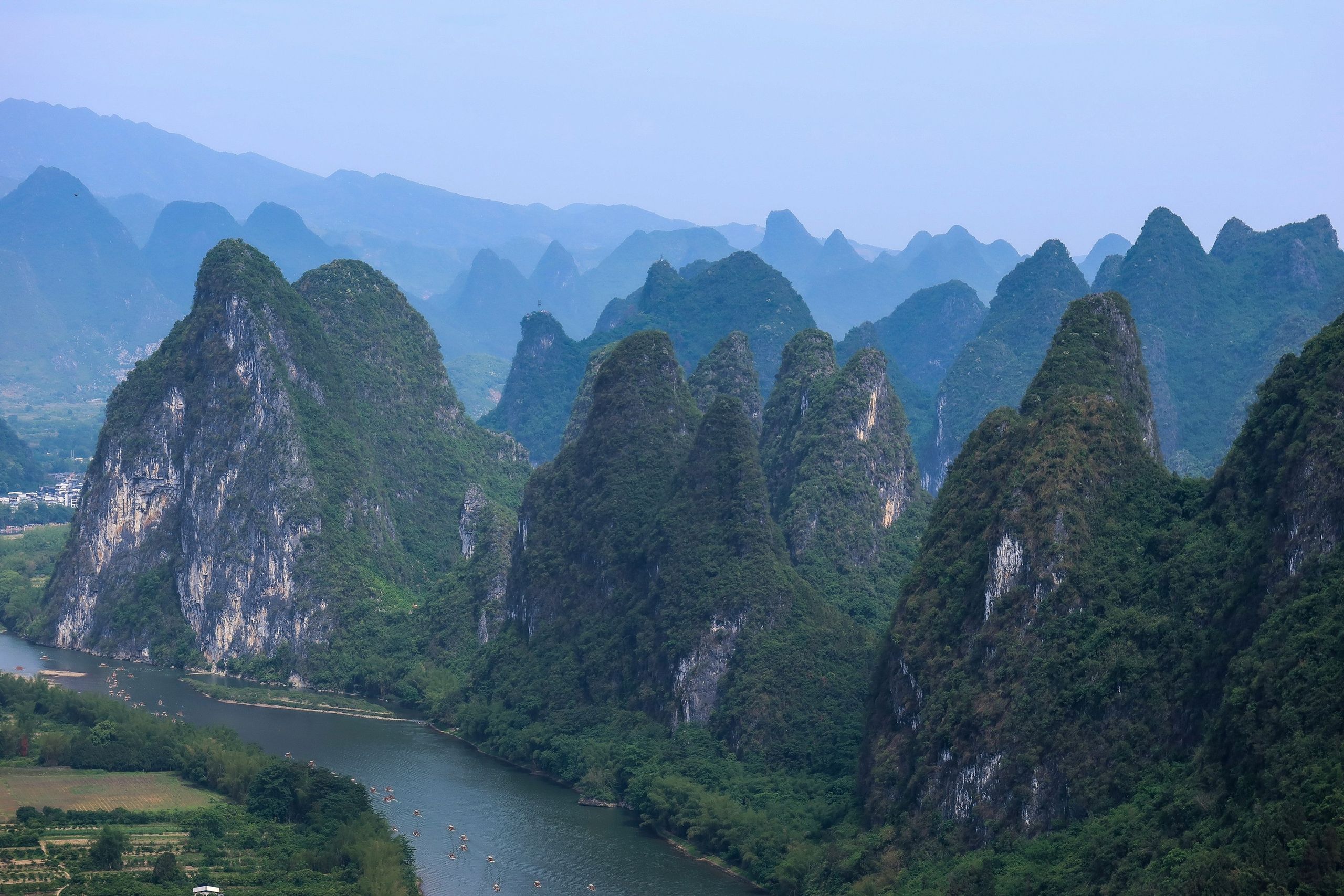
Guilin & Yangshuo in Spring: Mist, Green Valleys & the Li River
Spring turns the Li River valley green and wraps the karst peaks in mist — atmospheric, early-season China for travellers who do not mind a little rain.
Read the guide →JUNE TO AUGUST
Summer in China
Summer (June to August) is China at full volume — hot, green and dramatic. It rewards the places built for it: the karst country around Guilin and Yangshuo at its deepest green, the cool highlands of Yunnan, and landscapes that turn theatrical under summer skies. It asks for smart planning — early starts, rain as atmosphere rather than enemy, and a route that climbs when the lowlands swelter — which is exactly the kind of shaping a private journey does well. Scenery-first travellers should look at our China Scenic Horizons journey.
Summer travel in China
Where the season works in your favour — Guilin's green karst, the Yunnan highlands, and rain done right.
Read the guide →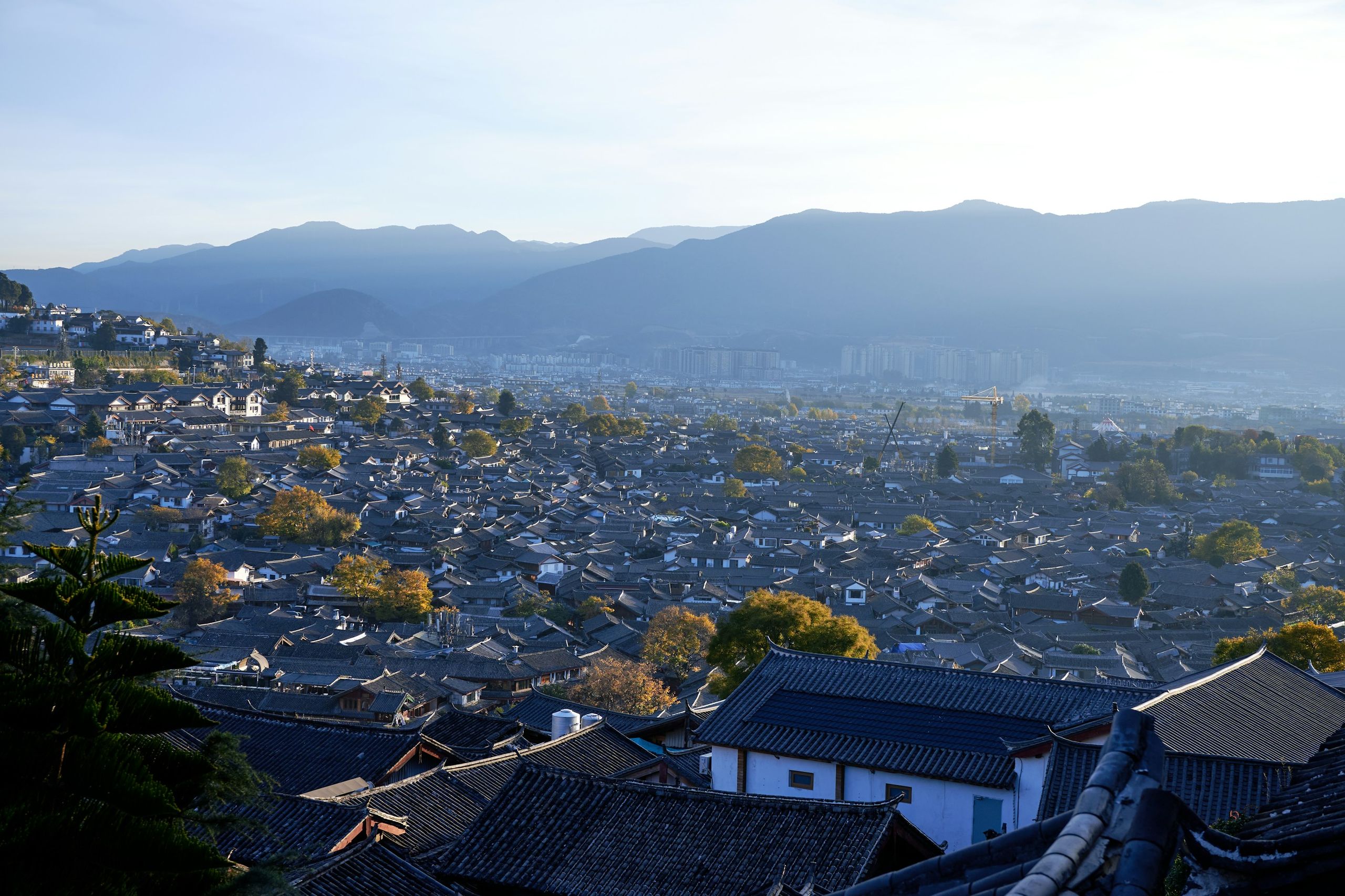
Yunnan in Summer: Cool Highlands, Bright Old Towns & Green Valleys
When lowland China swelters, Dali and Lijiang sit high and bright — a genuinely useful summer escape for Australian winter school holidays.
Read the guide →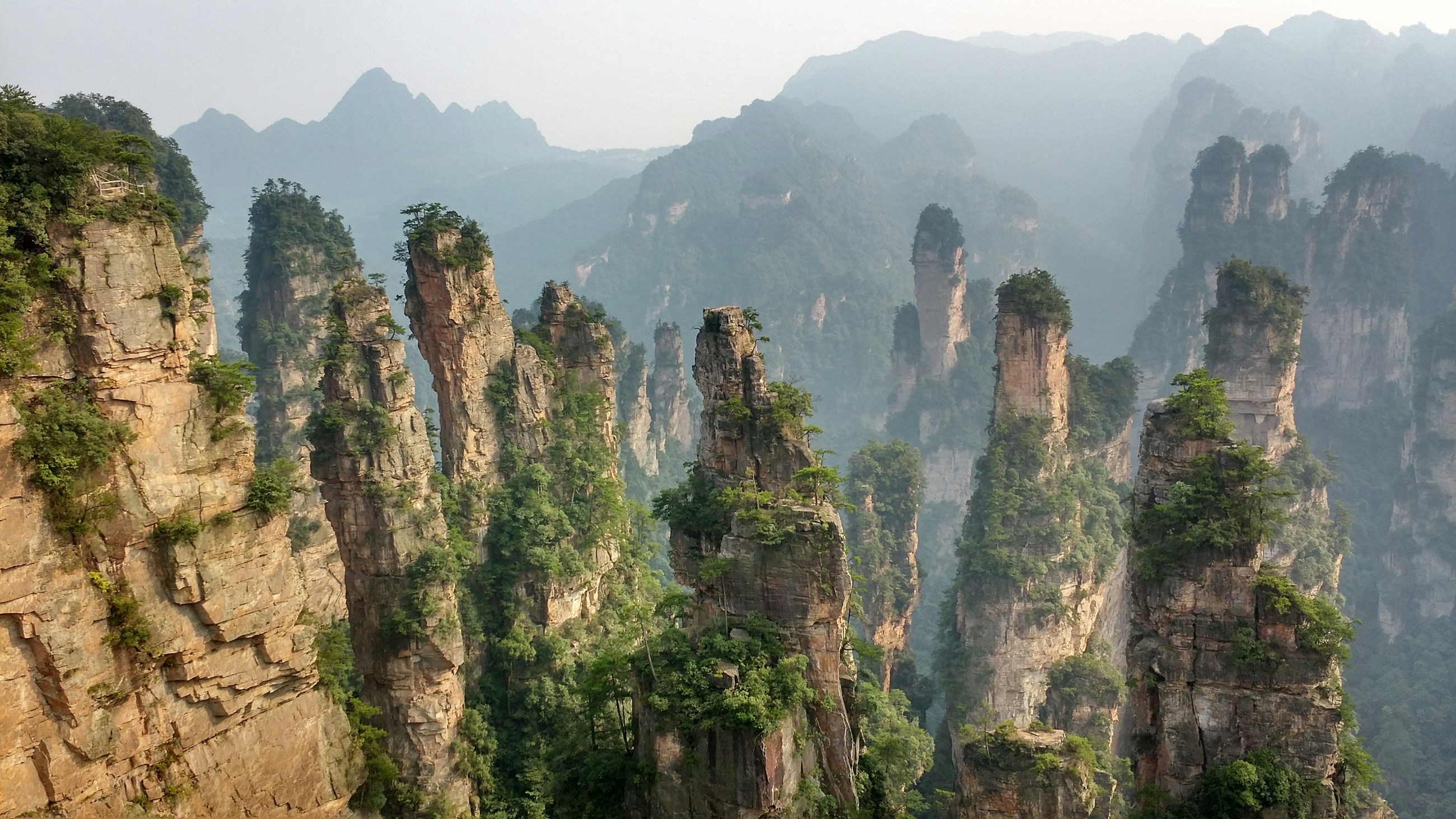
Zhangjiajie in Summer: Pillars, Mist & Waterfalls in Full Voice
Heat and crowds are real, but so is the reward — deep green forests, full waterfalls and mist curling through the sandstone pillars.
Read the guide →SEPTEMBER TO NOVEMBER
Autumn in China
Ask us privately and we'll admit it: autumn (September to November) is China's finest hour. The air clears, the light turns gold, the crowds thin after the first-week October holiday — and from Beijing's ginkgo avenues to Sichuan's crimson valleys, the whole country seems lit from within. It's the season we'd choose for a first grand sweep of the classics, which is why it pairs so naturally with China Highlights in Style.
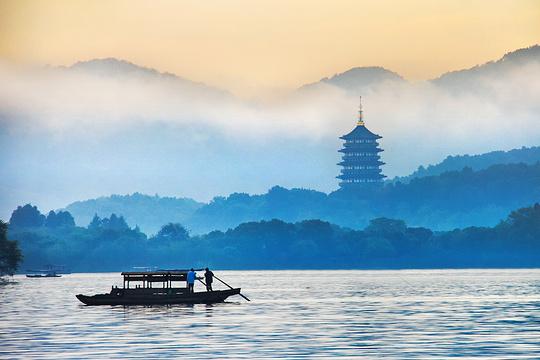
Jiangnan's Golden Autumn: Misty Lakes, Silk Gardens & Crab Season
As the summer humidity breaks into crisp, osmanthus-scented air, the watertowns south of the Yangtze slow to a poetic stillness. This is Jiangnan at its most cinematic — golden willows, mirror-calm canals and unhurried days that feel like stepping into a living watercolour.
- Private Longjing tea hikes and a wooden sculling boat across a misty West Lake
- Behind-the-scenes at the Suzhou Embroidery Research Institute
- The elite autumn ritual of Yangcheng Lake hairy crab
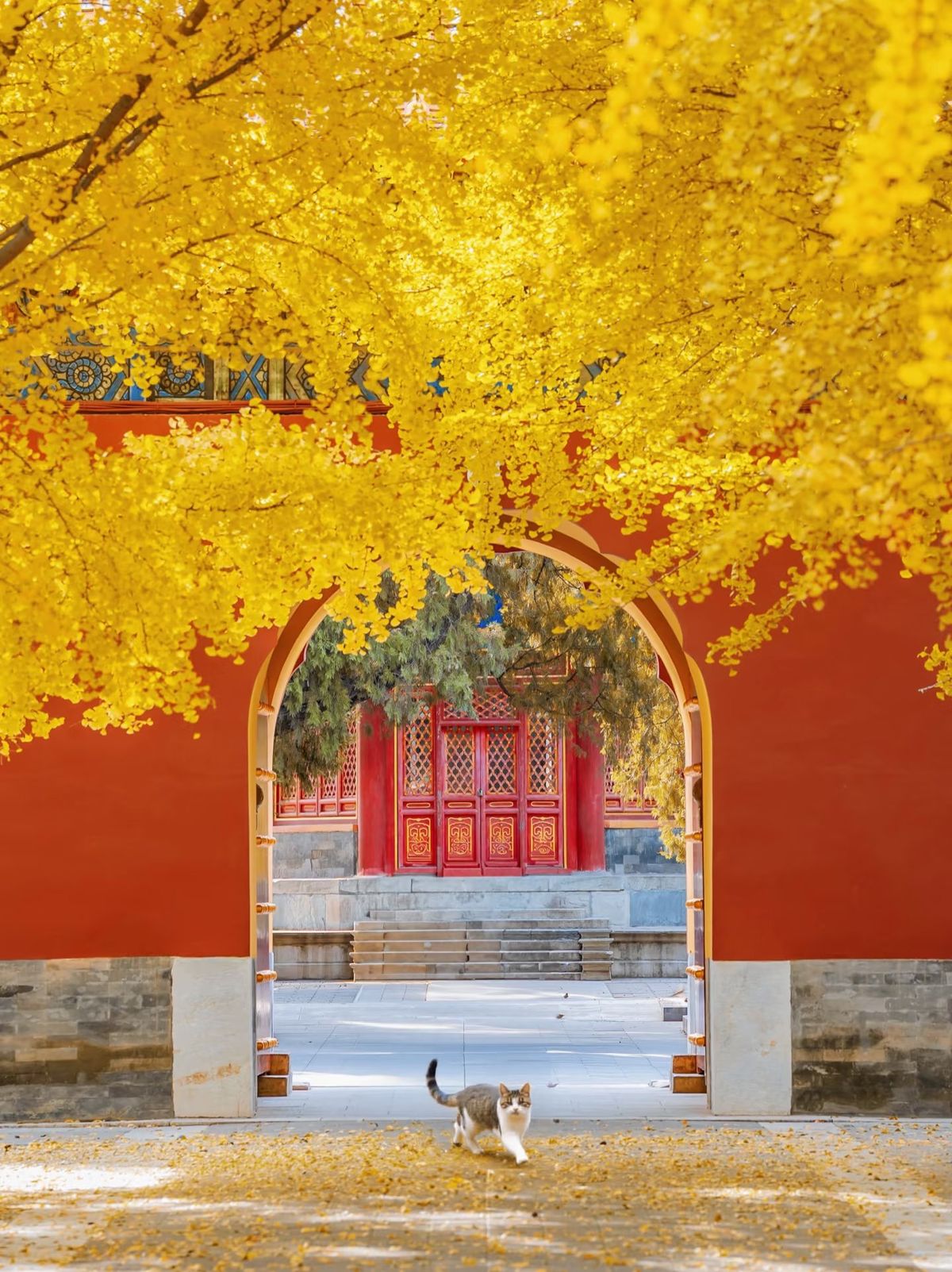
Imperial Autumn: Golden Ginkgo, Crimson Walls & Champagne on the Wall
When the summer haze lifts into deep sapphire skies, the capital turns cinematic. Crimson walls, golden light and falling leaves soften the grand imperial scale into something quieter and far more intimate — the moment Beijing tends to steal travellers' hearts.
- A private ginkgo walk and tai chi beneath the Temple of Heaven
- Champagne sunset on a quiet, semi-wild stretch of the Great Wall
- Wood-fired Peking duck and the ruby crackle of candied hawthorns
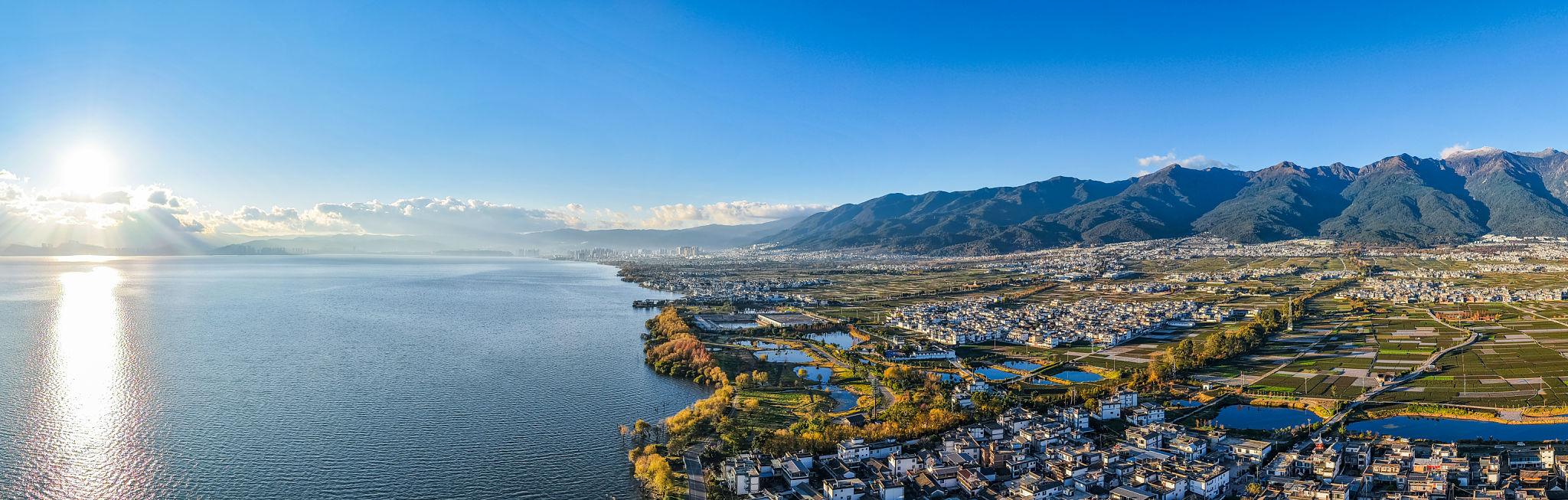
The Highland Escape: Mirror Lakes, Tea-Horse Trails & Snow Peaks
High in the foothills of the eastern Himalayas, the monsoons vanish and the skies turn piercing blue. This is where Yunnan reveals China's timeless soul — razor-sharp peaks, golden harvest valleys and the infectious, unhurried rhythm locals simply call "slow living."
- Private e-bike rides along golden Erhai Lake
- A horseback caravan into the pristine Tea-Horse town of Shaxi
- A glacier walk on the sacred Jade Dragon Snow Mountain
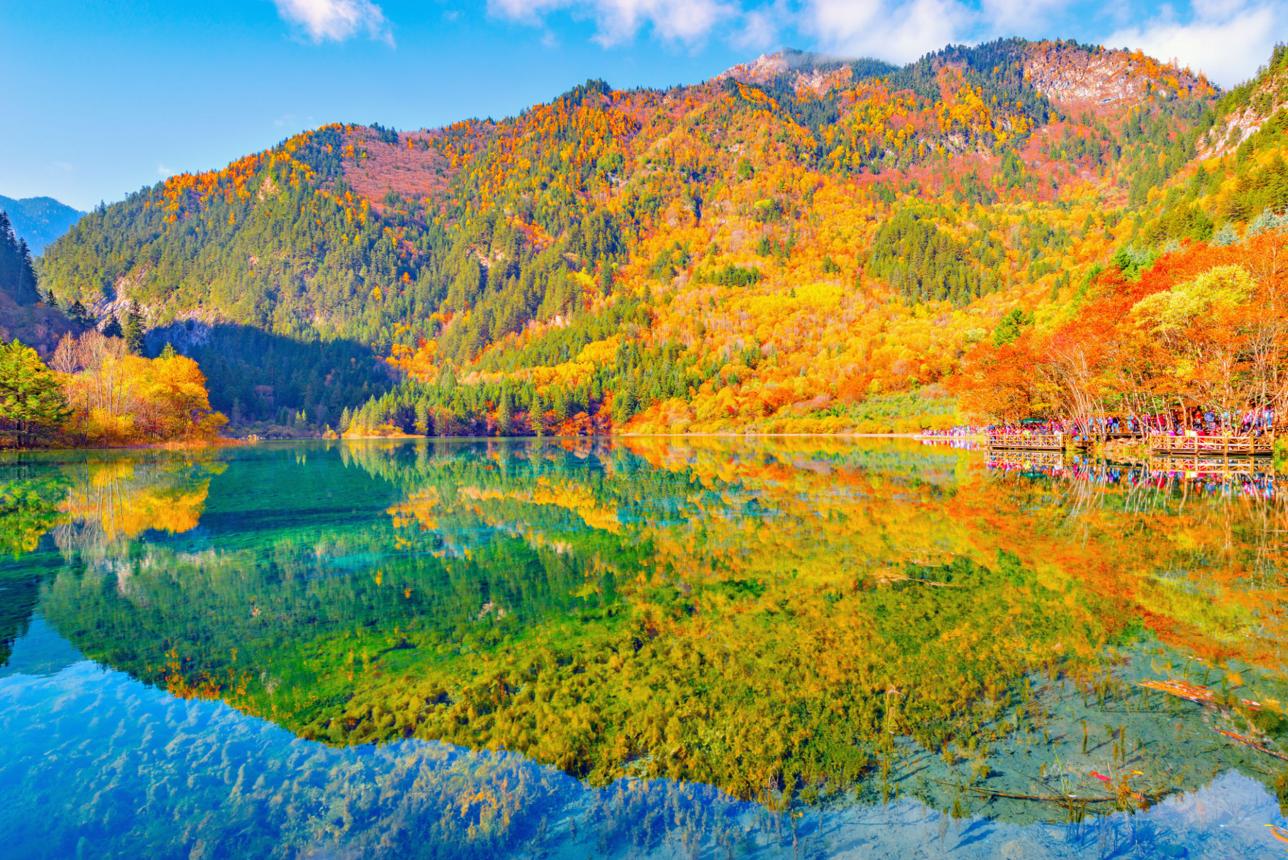
Crimson Valleys & Alpine Zen: Sichuan Beyond the Hotpot
Past the pandas and the numbing spice lies one of Asia's most spectacular autumn landscapes. Where the Chengdu plains rise into the snow-capped edge of the Tibetan Plateau, entire mountainsides ignite into crimson and gold beneath crisp, mirror-clear skies.
- The turquoise lakes of a crowd-free Jiuzhaigou
- A hands-on panda conservation morning at Dujiangyan
- Monastery tea on sacred Mount Emei and hot springs beneath glacial peaks
DECEMBER TO FEBRUARY
Winter in China
Winter (December to February) is two Chinas at once. In the north, snow settles on crimson palace walls and the great sights fall genuinely quiet; in the far south, Xishuangbanna stays green, warm and gently tropical while the rest of the hemisphere shivers. Add golden lanterns around Chinese New Year and you have the year's most atmospheric — and least crowded — season. Travellers drawn to the highland-to-tropics arc should look at Sichuan & Yunnan Discovery.
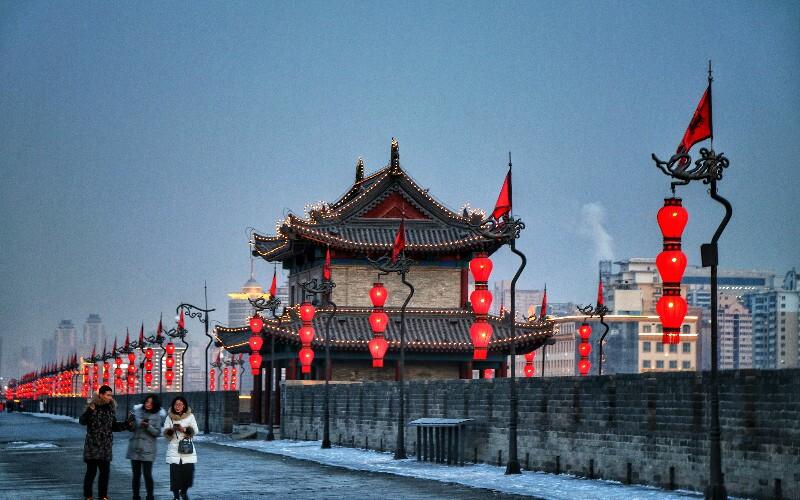
When Xi'an Becomes Chang'an: Snow, Lanterns & Imperial Hot Springs
"When snow falls, Xi'an becomes Chang'an." Winter strips away the crowds and the noise, leaving a 3,000-year-old capital at its most spellbinding — crimson walls dusted white, golden lanterns glowing through frosty dusk, and the deep stillness of ancient history.
- The Terracotta Army in solemn winter stillness, with a private historian
- A twilight cycle atop the frozen ancient city wall
- A neon Tang-dynasty night and a private soak in the emperors' hot springs
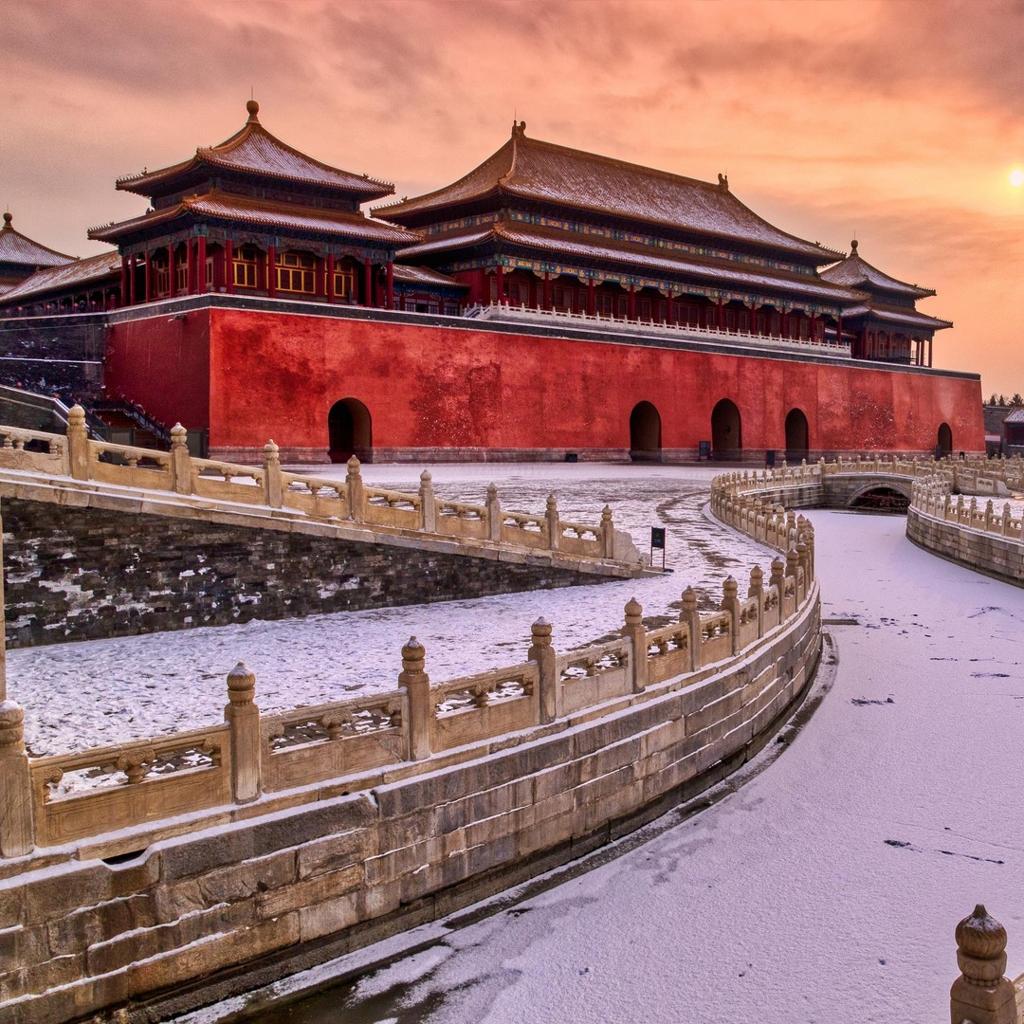
When Snow Falls on Crimson Walls: Beijing's Festive Winter & New Year
Winter is when the capital turns most romantic and most festive at once — the ink-wash quiet of fresh snow on the Forbidden City colliding with the crimson fire of a thousand New Year lanterns. It's the soul of Chinese culture at its warmest, wrapped around family, ritual and firelight.
- A snow-day tour of an empty Forbidden City
- Ice-sledding on the frozen lakes of Houhai
- Hand-folded reunion dumplings and a New Year temple fair
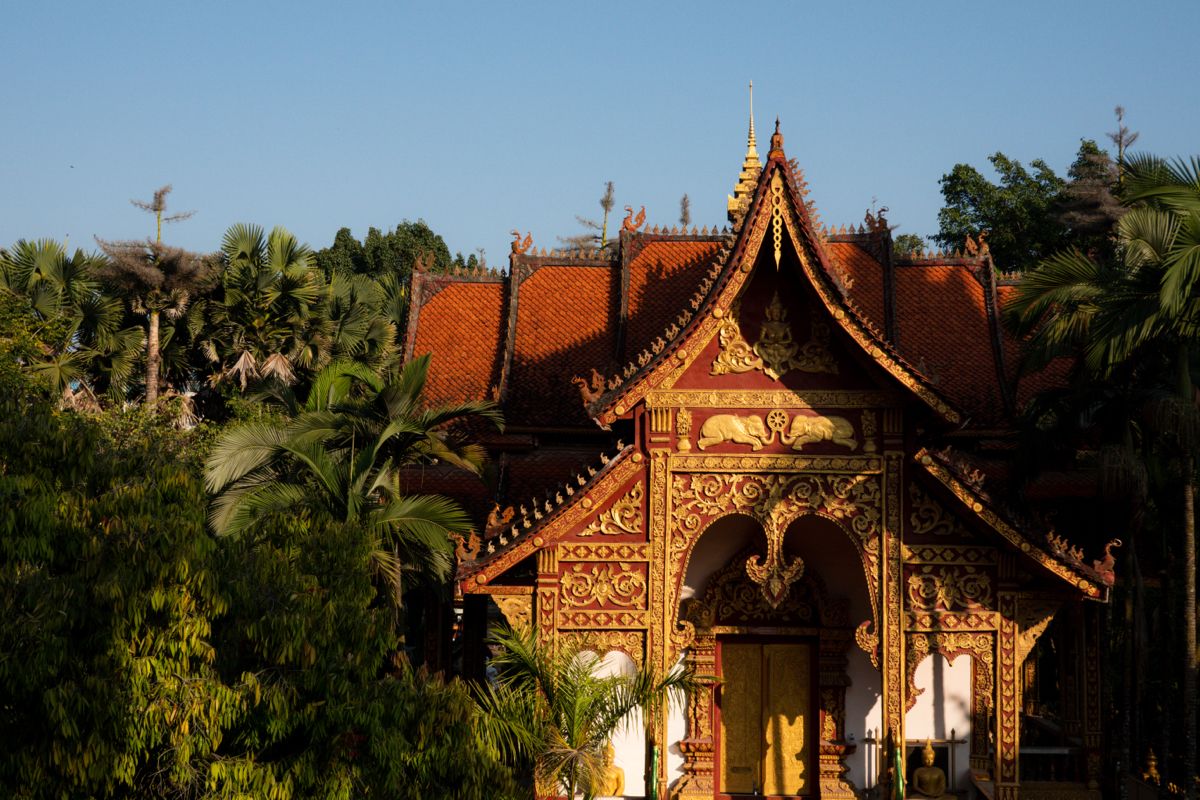
Tropical Winter Escape: Neon Nights, Emerald Jungles & Riverfront Luxury
While the rest of the country bundles up, this sun-drenched corner of southern Yunnan simply skips winter altogether. On the edge of Southeast Asia, it trades grey skies for swaying palms, balmy 25°C days and the vibrant warmth of Dai culture.
- Neon nights at the Mekong-side Gaozhuang night market
- A private rainforest canopy trek with an indigenous guide
- A royal Dai peacock banquet eaten by hand
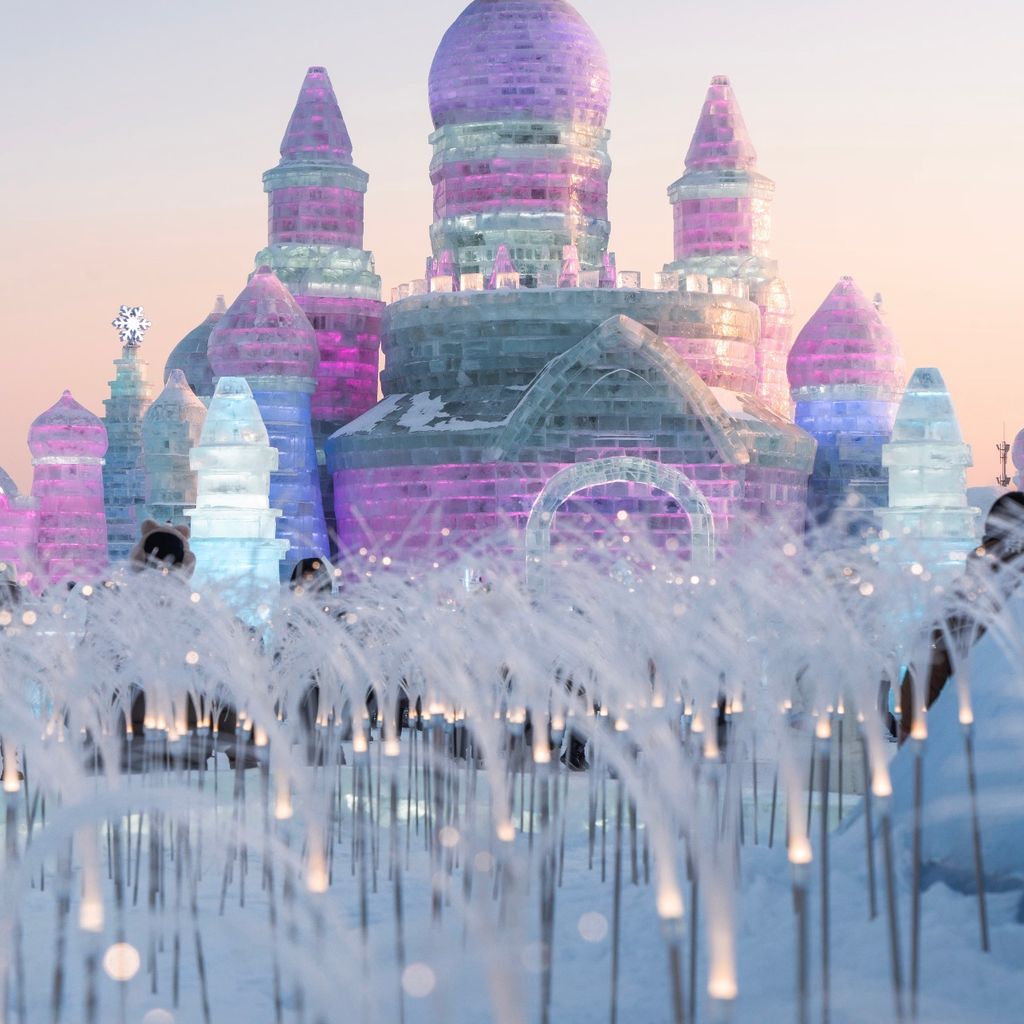
Harbin Ice and Snow Festival 2027: Dates, the Cold and How to Plan It
China's largest winter festival runs from late December to late February in the far north-east. Ice buildings on the Songhua River, a frozen river carnival, Russian-era streets, and days built around -20°C and a warm car.
- When to go: Christmas or January
- Arriving at the Ice and Snow World in daylight, around 3pm
- What the cold means in practice, and what to pack
Route-level timing detail lives in our China travel notes.