
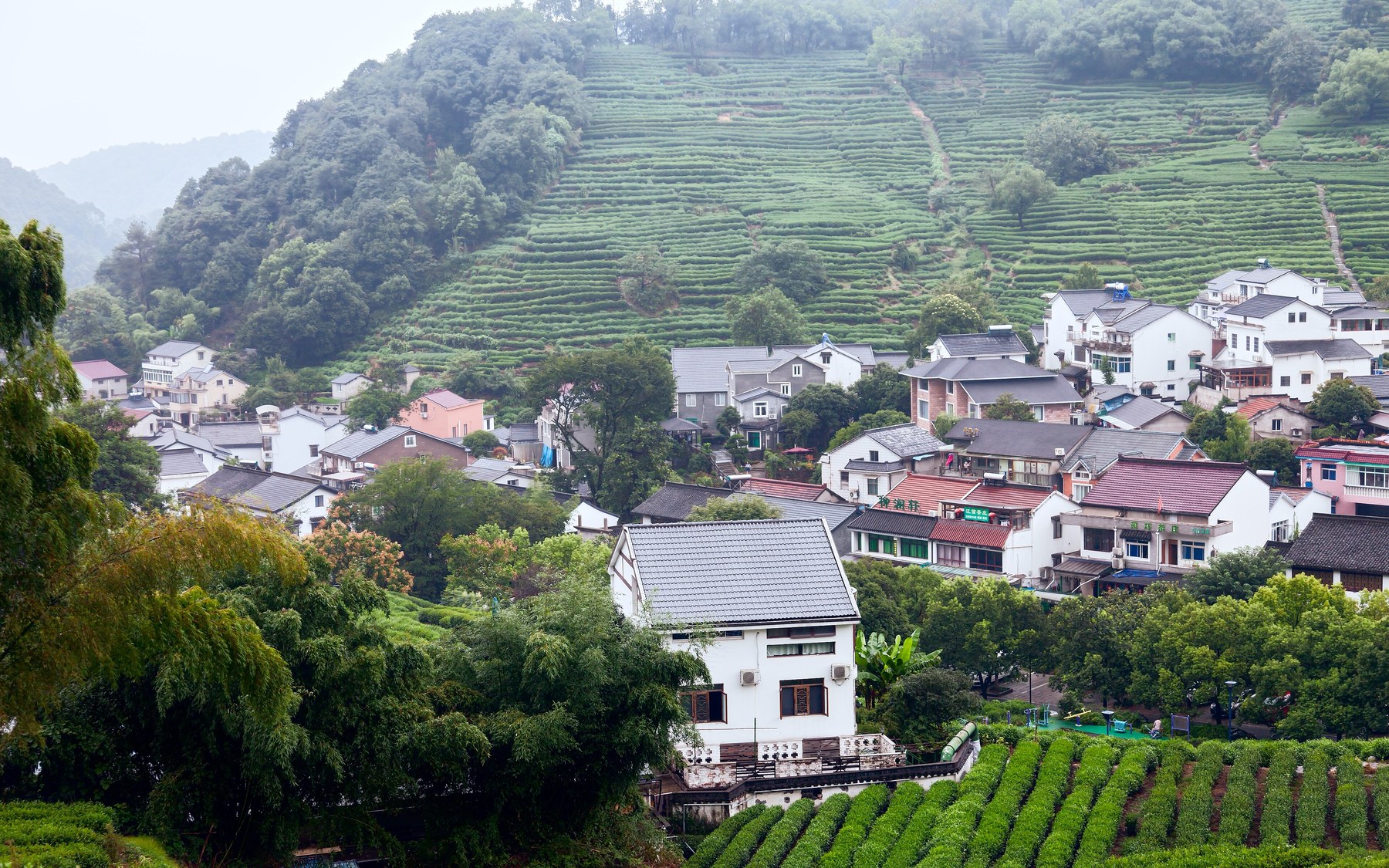

Spring in Suzhou and Hangzhou feels less like a season arriving than a curtain being lifted. The air softens, canal banks turn green, willow branches begin to trail over the water, and the classical gardens of Suzhou start to wake in layers: new leaves, damp stone, pale blossom, the first reflections of the year. In Hangzhou, the hills around West Lake and Longjing village shift from winter quiet to tea-season expectancy, as small lanes fill with the scent of fresh leaves being handled, sorted and roasted.
This is the season for travellers who like China at a quieter pitch. Not empty — Jiangnan is never truly undiscovered — but gentler, greener and more intimate than the high summer months. It is also the natural seasonal partner to our Jiangnan Gardens & Canals journey, where the geography is compact enough to let the season become part of the rhythm rather than a backdrop. If autumn is Jiangnan in golden stillness, spring is Jiangnan breathing in.
For a wider seasonal view, see the Spring in China tab on our best-time guide.
The Rhythm of Jiangnan in Spring
Jiangnan rewards patience at any time of year, but spring suits its temperament especially well. Suzhou gardens are designed around small changes: a corridor turning toward a window, a pine branch framed against white wall, the way rain gathers on a lotus pond before the lotus itself returns. In spring, those details feel newly alive. The famous garden scenes are still there, but the pleasure is in the edges — buds against old timber, moss darkening after showers, a pavilion seen through fresh green.
Hangzhou has a broader, more open version of the same mood. West Lake is beautiful in every season, yet spring gives it a softness that makes the city feel almost rural in places. The causeways become walking paths of willow and blossom. The hills behind the lake begin to glow with tea rows. Water towns near Suzhou and Hangzhou carry a similar freshness: stone bridges, black-tiled roofs, white walls and narrow lanes reflected in water that has just shaken off winter.
The honest caveat is that spring is changeable. A perfect morning can become a wet afternoon; a misty day can turn views into suggestion rather than panorama. That is not a reason to avoid the season. It is part of the season's charm, provided the day is planned with flexibility: gardens in softer rain, tea houses when the sky closes in, and open-water moments when the light returns.
4 Spring Experiences That Make Jiangnan Sing
1. Classical Gardens at Their Most Alive
Suzhou's classical gardens are not meant to be consumed quickly. They are compositions in movement, built so that every few steps reveal a different relationship between stone, water, plant and architecture. Spring restores their living texture. Rocks that felt severe in winter are softened by new leaves. Courtyards carry the scent of damp earth. Ponds and pavilions begin to hold colour again.
The best approach is unhurried: one or two gardens in a morning rather than a rushed circuit of famous names. A private guide can help read the design language — why a window frames one view, why a bridge bends, why empty space matters. But the real luxury is time. Time to sit. Time to notice. Time to let the garden work as it was intended.
2. Longjing Tea Country Before the Year Runs Away
Hangzhou's Longjing tea hills are one of the defining spring landscapes of eastern China. Terraces fold around villages, small paths climb between tea bushes, and the season's first serious tea conversations begin. This is not just scenery; it is a culture of timing, touch and aroma. The difference between a hurried commercial stop and a thoughtful tea morning is enormous.
Depending on conditions and timing, a tea-focused day can include village walking, tasting, and seeing how leaves are handled by local makers. The point is not to turn tea into a performance. It is to understand why this green hillside matters so much to Hangzhou's identity, and why the best tea moments are often quiet ones: a small cup, a clean fragrance, a view back toward the hills.
3. West Lake Before Summer Humidity
West Lake has a habit of making people slow down even when they did not plan to. Spring is the right season to let that happen. The air is mild enough for causeway walks, the lake edges are green, and the mood is softer than the busier summer period. A boat ride can work beautifully, but the deeper pleasure is the combination: a short walk, a lakeside pause, a temple or tea house nearby, then an afternoon that does not have to prove anything.
The caveat is crowd timing. West Lake is beloved, and beloved places draw local visitors on weekends and holiday periods. A private day works best when it avoids the obvious pinch points and protects the quieter hours: early light, late afternoon, or smaller lake-edge corners where the scenery can breathe.
4. Water Towns Before the Heat
The water towns around Suzhou and Hangzhou can feel impossibly photogenic: bridges, stone lanes, old houses leaning toward narrow canals. Spring gives them the right temperature and colour before summer brings heavier humidity. The best moments are rarely the loudest ones. They are found in a side lane, a small workshop, a quiet crossing, a canal bend where the water catches a strip of sky.
These towns do need careful handling. The most famous routes can become crowded, especially on weekends. The better way is to treat a water town as a mood, not a checklist: arrive at a quieter hour, leave space for wandering, and pair the visit with a simple local meal rather than rushing back to the car as soon as the photos are done.
4 Spring Flavours Worth Slowing Down For
1. The First Cups of Longjing Tea
Spring Longjing is more than a drink in Hangzhou; it is a seasonal signal. Fresh, green, delicate and slightly nutty, it tastes like the hills it comes from. Even travellers who do not think of themselves as tea people often understand the appeal when the cup is poured properly and the leaves are allowed to open.
The pleasure is not in ceremony for ceremony's sake. It is in the combination of place and taste: tea village paths outside, warm cups inside, and the realisation that a quiet hour can become one of the strongest memories of the trip.
2. River Fish and Lake Country Cooking
Jiangnan food is often gentler than travellers expect from China. Around Suzhou and Hangzhou, spring cooking leans into freshness: river fish, lake produce, light sauces and textures that do not need to shout. West Lake fish dishes, local prawns and seasonal greens all sit naturally inside the region's elegant food culture.
The key is balance. A good Jiangnan meal should feel refined without being stiff, local without being heavy, and seasonal without requiring a lecture. It is the kind of food that makes sense after a garden morning: subtle, precise and quietly generous.
3. Spring Bamboo Shoots and Young Greens
Spring bamboo shoots are one of the season's great small pleasures. They bring a crisp, earthy sweetness to soups, braises and stir-fries, and they appear alongside the young greens that signal the year's first real freshness. These are not trophy dishes, but they are exactly the kind of seasonal detail that makes a journey feel rooted.
For travellers used to ordering from familiar menus, this is where a local guide's judgement matters. The best table is often the one that knows what is good that week, not the one serving the same famous dish all year.
4. Soft Sweets, Tea Snacks and Canal-Side Pauses
Jiangnan has a gift for small, elegant sweets: glutinous rice textures, sesame notes, red bean, osmanthus when the season allows, and delicate pastries that sit well beside tea. Spring is a lovely time to use these not as dessert after a large meal, but as a pause in the day.
A canal-side snack, a quiet tea house, a small plate shared slowly — these are the moments that keep the journey from becoming too full. In Jiangnan, restraint is part of the pleasure.
A Journey That Moves At A Different Pace
Spring suits travellers who prefer texture over spectacle. It is not the season for guaranteed blue skies every day, and it is not immune to domestic holiday surges. But it gives Suzhou and Hangzhou a rare tenderness: gardens reawakening, tea hills returning to life, water towns still cool enough to wander, and a rhythm that makes private travel feel genuinely useful.
The trick is not to pack the days too tightly. One garden well understood is better than three gardens half-seen. One tea morning with space to linger is better than a hurried tasting attached to a shopping stop. Jiangnan rewards the traveller who trusts the slow reveal.
Getting There & Travel Made Easy
Suzhou and Hangzhou sit beautifully within an east-China route. Shanghai is the natural gateway, with high-speed rail and private car connections making the region compact and comfortable. The practical advantage is simple: less time lost to long transfers, more time kept for the mood of the place.
For spring, flexibility matters. A well-shaped private journey can move outdoor walks, garden time, tea sessions and water-town visits around the weather. That is how the season works best: not by pretending every day will be perfect, but by having enough room in the plan to let Jiangnan show you its best side.